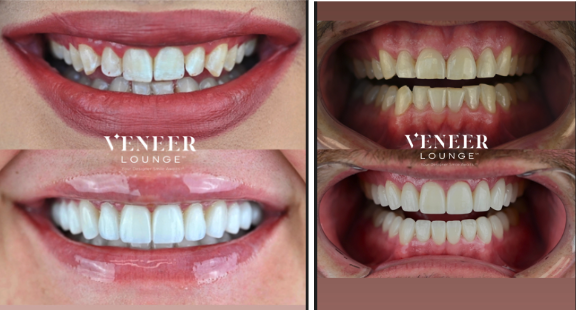
Veneer dentistry occupies a unique space in clinical practice. It is highly transformative, deeply personal, and when executed well, one of the most impactful services for both patients and practice growth.
Yet, veneer cases are also among the most frequently stalled or abandoned treatment plans.
Not because the dentistry isn’t sound. Not because patients don’t want the outcome. But because veneer decisions are elective, emotional, and often abstract. Patients hesitate when the result feels uncertain, the process feels overwhelming, or the financial commitment feels unclear.
Improving veneer case acceptance is not about becoming “sales-driven.” It’s about reducing uncertainty and helping patients confidently say yes to care they already want.
This article outlines a practical, ethical framework for converting veneer cases by focusing on five levers that consistently improve acceptance:
- Making the outcome tangible
- Reducing decision friction
- Creating financial clarity
- Tracking acceptance intentionally
- Systematizing the veneer experience
Lever 1: Make the result tangible with mock-ups
Nothing improves veneer case acceptance more consistently than allowing patients to experience the proposed result.
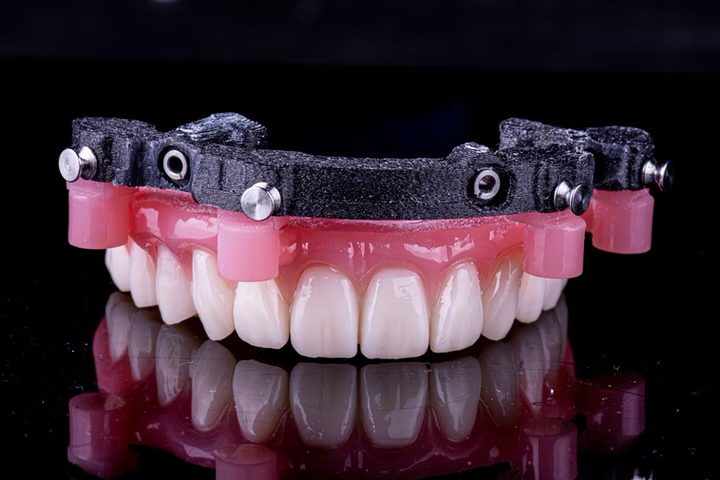
Diagnostic wax-ups and intraoral mock-ups move the conversation from imagination to reality. Transferring the planned smile into the patient’s mouth is a critical step in facilitating treatment acceptance, far more effective than explanation alone.
Why mock-ups work
Mock-ups reduce:
- Fear of the unknown
- Miscommunication about esthetics
- Buyer’s remorse after case acceptance
Patients no longer wonder “What if I don’t like it?”—they already know.
From a clinical perspective, additive wax-ups and diagnostic mock-ups also support minimally invasive veneer preparations and clearer restorative planning.
A simple mock-up pathway
You don’t need to mock up every cosmetic inquiry. Use a two-step approach:
Discovery Consult
- Photos and smile analysis
- Patient goals and expectations
- Candidacy discussion
- Overview of options
- Invitation to mock-up appointment
Mock-up Appointment
- Try-in of proposed smile design
- Patient feedback and adjustments
- Design approval
- Clear next step (prep date or design refinement)
The mock-up becomes the emotional turning point where hesitation is replaced with confidence.
Lever 2: Reduce decision friction with clarity
Most veneer cases don’t fail because patients say no—they fail because patients say “not yet.”
Decision friction occurs when patients are unclear about what happens next or feel overwhelmed by the process. A simple, repeatable framework helps eliminate that friction.
The 3-part clarity structure
- Outcome clarity
Explain what veneers will address (shape, symmetry, worn edges, color limitations) and what they will not. This builds trust and credibility. - Process clarity
Describe the timeline in plain language:
- Records and design
- Mock-up and approval
- Preparation and seating
- Follow-up
Avoid clinical jargon. Focus on what the patient will experience.
- Control clarity
Explicitly point out where the patient maintains control:
- Design approval
- Shade and esthetic input
- Final seating adjustments
When patients feel trapped, they hesitate. When they feel in control, they move forward.
Lever 3: Create financial clarity without pressure
Cost is often cited as the reason veneer cases don’t proceed—but more accurately, financial uncertainty is the real issue.
Avoiding the money conversation creates discomfort and delays. Addressing it professionally and early builds trust. Presenting financing options as a standard part of cosmetic care helps patients move forward with the treatment they desire while preserving dignity.
The three-lane financial presentation
Offer three clear pathways every time:
- Pay-in-full option
- Split-payment option
- Monthly financing option
Position these neutrally:
“Most patients choose one of these options. Which feels most comfortable for you?”
This approach removes embarrassment and reframes the decision as practical rather than emotional.
One critical rule
Never let a veneer patient leave without a defined next step:
- Mock-up appointment
- Design review
- Decision follow-up call
Time erodes motivation. Structure protects it.
Lever 4: Track veneer case acceptance like a business metric
Many practices rely on intuition when it comes to cosmetic conversion. The result is inconsistent outcomes and missed opportunities. Tracking case acceptance is essential to understanding where breakdowns occur and how to improve them.
Minimum metrics to track
You don’t need complex analytics. Start with:
- Veneer inquiries per month
- Veneer consults completed
- Mock-ups completed
- Veneer cases accepted
- Average time from consult to acceptance
Segment results by provider, new vs. existing patients, and financing usage to identify trends, not to assign blame, but to refine systems.
Lever 5: Systematize the veneer experience
High-performing veneer practices don’t rely on exceptional individual consults—they rely on repeatable systems.
Key conversion anchors
Pre-consult priming: Send confirmation messaging that explains the purpose of the visit and reassures patients that it’s exploratory, not a commitment.
Visual-first consults: Start with photos and smile analysis before explanations.
Mock-up moment: The in-mouth preview is often the decisive moment. Research consistently shows this step significantly improves acceptance.
Confident team handoff: Ensure the transition from doctor to coordinator reinforces momentum rather than doubt.
Clear close: Use clarity, not pressure. “Would you like to schedule the mock-up so you can see this before deciding?”
Common veneer conversion mistakes
- Quoting full veneer fees at the first visit
- Relying solely on digital simulations
- Avoiding financing conversations
- Inconsistent consult structure between providers
- Lack of follow-up workflows
Each of these introduces uncertainty, and uncertainty kills elective treatment.
Final Thought
Veneers are not just a procedure; they’re a decision. Decisions improve when uncertainty is replaced with experience, clarity, and control.
Build a mock-up-first pathway, intentionally track acceptance, and let patients confidently choose the smile they already want.
Reference articles:
- Solventum (3M Oral Care) – The Mock-up Opportunity: Facilitating Treatment Plan Acceptance
- CareCredit Providers – Appealing to Patients Seeking Cosmetic Dentistry
- Flex Dental – Case Acceptance Tracking Guide
- Cureus – Additive Wax-Up and Diagnostic Mockup as Driving Tools for Minimally Invasive Veneer Preparations