Great veneer cases aren’t just about artistic talent—they rely on a solid strategy for temporaries. In this presentation, Dr. Brandon Mack shares his workflow for using provisionals as more than placeholders. He treats them as diagnostic tools to test the final design and to communicate expectations with the patient before permanent delivery. Here’s a breakdown of his step-by-step process for moving from the initial consultation to a successful final seat.
The Veneer Journey Starts with the Patient Vision
In his webinar, Dr. Mack states that he begins every veneer case with a clear, patient-centered consultation to understand the patient's goals, personality, and preferences. This critical first step includes:
- Photography: Extraoral and intraoral images for case planning, design, and patient education.
- Smile Design Conversation: What does the patient want to change? Are they interested in subtle refinement or a dramatic makeover?
- Pre-Planning Notes: Color goals, facial symmetry, gingival levels, occlusion, parafunction, and soft tissue health.
“You have to listen to what the patient wants, not just what you think looks good. My job is to interpret their dream into a clinical plan.” – Dr. Mack
Diagnostic Wax-Up: The Blueprint for Clinical Success
Once the esthetic goals are identified, Dr. Mack uses a diagnostic wax-up to translate the patient’s vision into a functional, testable design. This wax-up becomes the foundation for:
- Mock-ups
- Provisional restorations
- Laboratory communication
- Final ceramic fabrication
What’s Included in the Diagnostic Phase:
- Digital or analog impressions
- Photographs with shade tabs and lip position
- Bite records (especially in full-arch cases)
- Notes on proposed tooth length, width, and contour
The Art of Provisionals: More Than a Temporary Solution
Provisional veneers are often overlooked, but Dr. Mack calls them “the most valuable phase of the veneer process.” Why? They provide a test run for function, speech, and esthetics, and shape the final restorations.
Key Roles of Provisionals:
- Patient Trial Period: Gives patients time to adjust to their new smile and provide feedback.
- Gingival Shaping: Guides soft-tissue healing and emergence profile.
- Design Confirmation: Verifies incisal edge position, width-to-length ratios, buccal corridor fullness, and facial aesthetics.
- Laboratory Guide: Used as a model or scanned to replicate the form and function.
“The provisional is where the magic happens. It’s where you and the patient can collaborate before anything becomes permanent.” – Dr. Mack
Material Selection and Cementation for Provisionals
For temporaries, Dr. Mack typically uses bis-acryl or composite materials, shaped from a silicone index of the wax-up. He prefers spot-etching with flowable resin for retention, allowing easy removal later.
Tips from Dr. Mack:
- Use a sil-tec or clear putty matrix to guide flowable placement.
- Add texture and contour with polishing and burs for a natural look.
- Don’t forget occlusion! Even provisionals should be equilibrated.
Getting Feedback Before Final Prep
Once the patient has worn the provisionals for a few days to a few weeks, Dr. Mack schedules a feedback appointment.
Questions to Ask:
- How do they feel about the shape, size, and color?
- Any speech or functional concerns?
- Are there changes they’d like to see?
At this stage, any minor chairside adjustments are made to finalize the design. He captures the approved look with new photos and impressions or scans to provide the lab with a precise blueprint for the final ceramics.
Prepping for the Provisionals
When preparing the teeth for veneers, Dr. Mack emphasizes conservative reduction that mirrors the provisional contours. He uses depth-cutting burs and reduction guides created from the temporaries to ensure precision.
Dr. Mack’s Prep Keys:
- Stay within enamel when possible.
- Break contacts only if necessary.
- Maintain incisal edge support.
- Use a silicone putty reduction guide for depth control.
“Prep for the approved design. If the provisionals look and feel great, your preps should support that exact outcome.” – Dr. Mack
Final Impressions & Lab Communication
After prepping, Dr. Mack takes high-resolution scans or traditional impressions. He includes all critical information for the lab:
- Photographs of provisionals
- Shade documentation
- Bite registration
- Final matrix of approved design
- Written notes or a digital scan overlay of temporaries
He also recommends a virtual meeting or phone call with the lab team to review the design intent and any fine details that can affect esthetics or function.
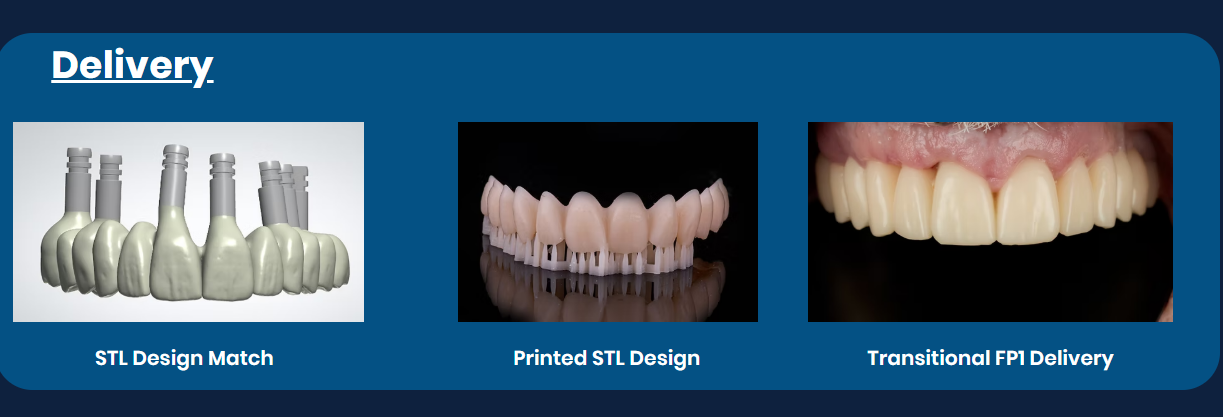
Delivery Day: Predictable Ceramics, Confident Results
Thanks to the detailed provisional phase, delivery is usually smooth. Dr. Mack checks the following:
- Fit & Proximal Contacts: Verified with fit-checker and floss
- Esthetics: Evaluated with try-in pastes under both ambient and operatory lighting
- Patient Final Sign-off: A full-smile preview before moving to permanent cementation
- Functional Occlusion: Checking centric and excursive movements to ensure long-term stability
Once approved, he uses an adhesive protocol tailored to the ceramic type (typically lithium disilicate or layered zirconia).
Dr. Mack’s Cementation Pearls:
- Isolate meticulously.
- Use silane and bonding agents as appropriate.
- Do a tacky cure before doing a complete cure to clean margins.
- Floss and finish before the final polish.
"When you’ve done all the work in the planning and provisional phases, delivery is stress-free. The patient already loves it.” – Dr. Mack
Dr. Mack’s Common Pitfalls to Avoid
Several mistakes can compromise veneer cases, Dr. Mack warns. These include:
- Skipping the provisional stage
- Inadequate records for the lab
- Over-preparing teeth
- Miscommunication with the patient or the lab
- Ignoring occlusion and function
Avoiding these pitfalls not only protects outcomes but also protects your reputation and patient trust.
Bonus Case: A Smile Makeover in Action
You’ll want to watch the webinar to see Dr. Mack’s presentation of a 10-unit upper veneer case with severe wear and discoloration. The patient requested a youthful, vibrant smile that did not look unnatural. Beautiful, natural results were achieved!
The Highlights You Can View:
- Wax-up and mock-up are designed to enhance symmetry and lip support
- Provisionals worn for 2 weeks with minor tweaks
- Final lithium disilicate veneers delivered with no adjustments needed
Creating beautiful, functional veneers isn’t about magic; it’s about methodology. As Dr. Mack shows in his presentation, every phase from consultation to delivery builds upon the last, with the provisional stage acting as the cornerstone for success.
By using temporization as a blueprint and partnering with the right lab, clinicians can deliver smiles that exceed expectations and stand the test of time.
Why Denbright Labs?
Dr. Mack says he works with Denbright Dental Labs to ensure the precision and predictability needed for these high-stakes cosmetic cases.
The Benefits Include:
- Collaborative lab communication
- Expertise in esthetic ceramics
- Accurate duplication of provisionals
- High-translucency materials for lifelike outcomes
Ready to elevate your veneer cases?
Connect with Denbright Dental Labs to access resources, guides, and expert lab support that bring your esthetic vision to life.