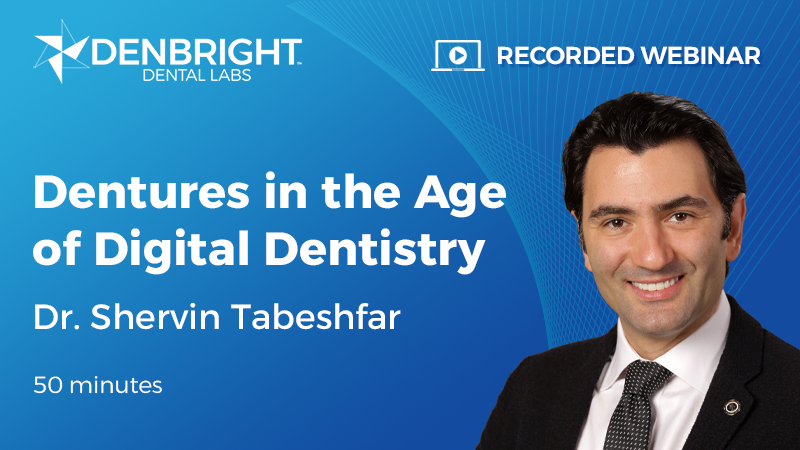
Inspired by the October 2025 webinar recording with Friendship Dental Lab and Dr. Shervin Tabeshfar.
Reimagining Dentures in the Digital Age
In today’s digital dentistry landscape, dentures are no longer limited to analog workflows and guesswork. Through innovations in intraoral scanning, CAD/CAM design, and additive manufacturing, full digital dentures are now a practical, efficient, and esthetic solution for clinicians and patients alike.
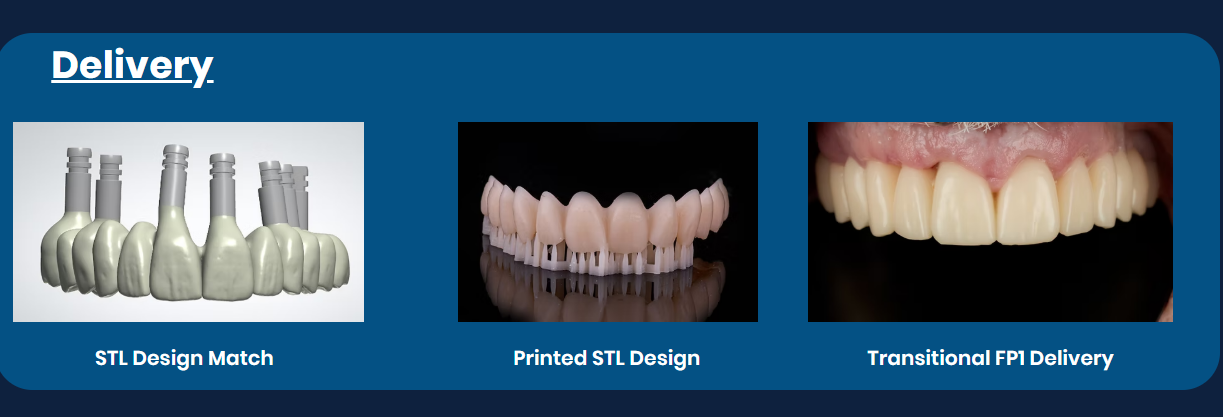
In this post, we’ll walk through a real case using Denbright’s advanced denture protocol—showcasing each step from scan to print to delivery—and highlight how clinicians can reduce chair time and increase predictability for removable prosthodontics.
1. Capturing the Records: Intraoral Scanning & Smile Alignment
When working with digital dentures, the first step is capturing an accurate scan of the patient’s anatomy. This can be done either directly with an intraoral scanner or by scanning a wash impression taken inside an existing denture or a properly occluded bite rim for fully edentulous cases.
“Digital records aren’t just about accuracy—they’re about predictability. When we capture master records using scanners, we reduce the guesswork and improve the fit,” says Dr. Shervin Tabeshfar, presenter of Dentures in the Age of Digital Dentistry.
The lab requires three core scans to begin the process:
-
The prepared working arch (denture or tissue)
-
The opposing dentition
-
A buccal scan in maximum intercuspation (the bite)
To help align the digital design to the patient’s facial features and ensure esthetic harmony, it’s critical to also provide:
-
A full-face, full-smile photo of the patient
-
A scan or image of the patient wearing the bite-taking appliance
These assets allow the lab to overlay the design in 3D space with the patient’s real smile, creating ideal esthetics and accurate occlusion.
2. Lab Design & Additive Manufacturing
Once records are received, the case is digitally designed by Denbright’s team. In this case:
-
IPN print was used for the tooth structure
-
Lucitone print was used for the denture base
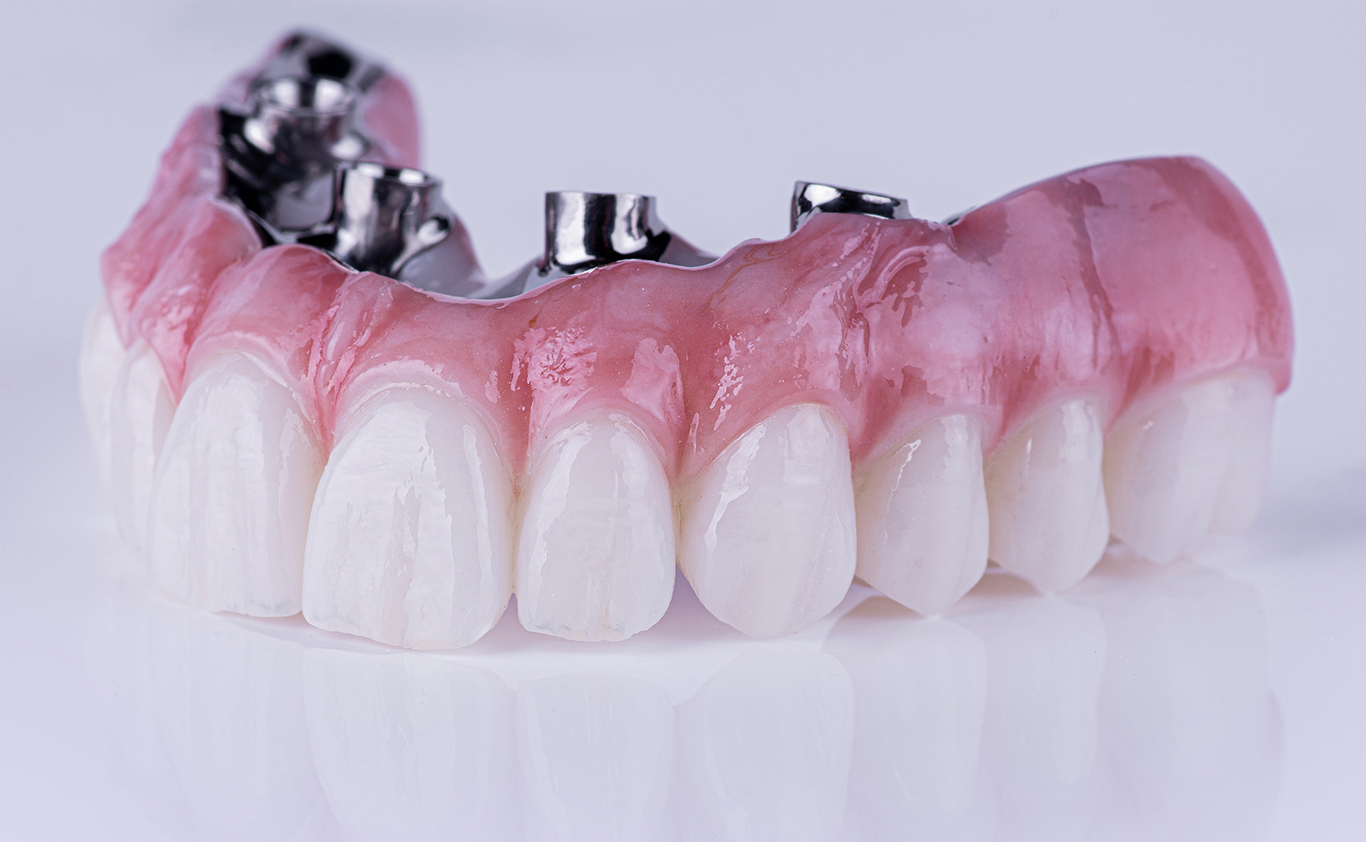
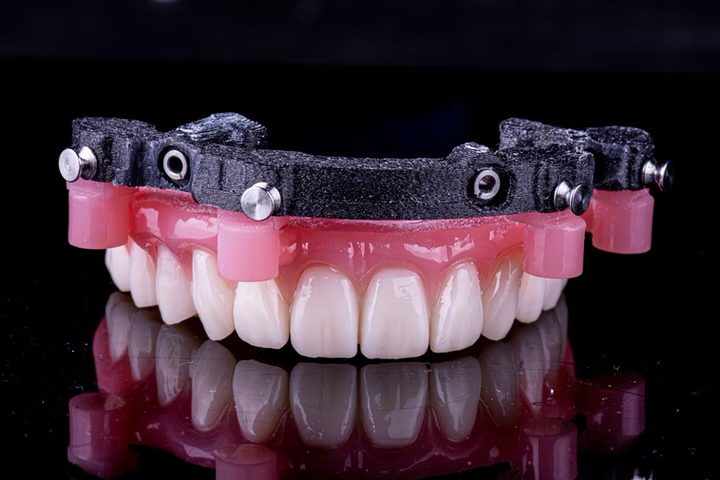
The base and teeth are digitally fused using Dentsply’s proprietary bonding process. The 3D printing ensures accuracy in every layer, while the digital process reduces the variability often associated with traditional setups.
“Digital tools give us the freedom to design dentures that respect time-tested principles like phonetics, vertical, and esthetics—while still cutting down the delivery time,” says Dr. Tabeshfar.
After 3D printing, the denture is washed, cured, and finished. Edges and occlusion are adjusted in the design software to minimize chairside adjustments.
3. Delivery: Predictability and Patient Satisfaction
Because the prosthesis is created from precise digital records, delivery is often quick and uneventful. In this case, the final denture seated with minimal adjustments. Occlusion was verified, esthetics reviewed, and the patient expressed high satisfaction.
“Same-day delivery doesn’t mean cutting corners. It means working smarter with digital tools that support accuracy and repeatability,” says Dr. Tabeshfar.
4. Long-Term Advantage: Archived Digital Records
One of the greatest benefits of a fully digital workflow is that all design and fabrication data is archived. If the patient ever loses or breaks the denture, or needs a spare, the entire prosthesis can be reprinted immediately—no new impressions or appointments required.
This creates massive time savings and ensures clinical consistency.
“With reference dentures and virtual try-ins, you can deliver better outcomes in less time—without sacrificing quality,” Dr. Tabeshfar explains.
Final Thoughts
Digital dentures offer a new level of efficiency, esthetics, and reliability for both clinicians and patients. By investing in solid record-taking and working with an experienced lab like Denbright, clinicians can transform how they approach removable cases, bringing faster delivery, better smiles, and more control to every full-arch case.
Want to Learn More?
Watch the full recorded webinar: Dentures in the Age of Digital Dentistry with Dr. Shervin Tabeshfar
Connect with a Denbright lab: Find your lab partner →