In the modern dental practice, we often encounter the "One-Tooth Myth." A patient walks in with a chipped incisal edge on #8 or a discolored crown on #9, and the standard clinical response is often to fix exactly—and only—what the patient requested.
However, as Dr. Shahriela Ganjoor (founder of Modern By Dentistry and Veneer Lounge) recently shared, treating a single tooth in isolation is often a disservice to the patient. To move from transactional dentistry to transformative care, we must shift our focus from selling to serving.
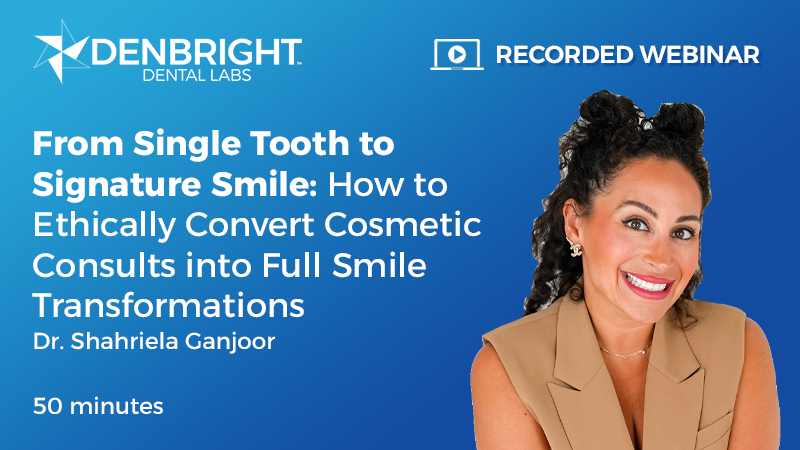
"If you only fix what they ask for, you may be leaving their real problem untouched. Our patients are waiting for us to see what they can’t see," says Dr. Ganjoor.
The Psychology of the "One-Tooth" Patient
Dr. Ganjoor points out that most patients "under-ask" because they have a limited mindset; they don’t know what is possible, or perhaps they don't believe they deserve a life-changing aesthetic. When a patient says, "I hate this one yellow tooth," they aren't just talking about a shade mismatch; they are often describing years of:
- Hiding: Suppressing a laugh or covering their mouth in social settings.
- Compensation: Angling their head during Zoom calls or photos to hide a specific defect.
- Insecurity: A fundamental lack of confidence that permeates their professional and personal life.
To truly serve these patients, we must look beyond the chip. We need to evaluate:
- Function: Is the bite destructive?
- Aesthetics: Does the tooth match the facial harmony?
- Emotions & Lifestyle: What are the emotional "whys" behind the visit?
Ethical Case Expansion vs. Aggressive Upselling
There is a vital distinction between upselling and ethical case expansion. Aggressive upselling is about the bottom line; ethical expansion is about providing a long-term solution that addresses the root cause of the patient's dissatisfaction.
"It’s all about providing your patients with the different options and allowing them to be educated enough to make the best decision for themselves," says Dr. Ganjoor.
“Consider the patient whose bonding has failed five times in six months. Fixing that chip a sixth time does not save the patient money; it ignores the occlusal issues causing the failure. By using diagnostics like iTero scans to evaluate the bite and M-scans to measure muscle activity, we provide clarity.
“When you show a patient how opening their Vertical Dimension of Occlusion (VDO) can relax their temporalis muscles and prevent future fractures, the conversation shifts from vanity to vital health.”
The High-Impact Cosmetic Consult: Building Trust
Dr. Ganjoor emphasizes that the first three minutes of a consultation are "game time." This is where trust is established.
1. The Environment of Vulnerability
Patients are about to become very vulnerable. Dr. Ganjoor recommends meeting at eye level—never towering over a patient or keeping them reclined in a dental chair. This removes the subconscious power dynamic of dominance and establishes a partnership.
2. Listening for "Ammunition"
Ask open-ended questions and don’t interrupt. Dr. Ganjoor calls the patient’s specific words "ammunition" for the treatment plan.
- If a patient calls their tooth "yellow," don't correct them by calling it "discoloration." Use their words.
- If they say they want a "Hollywood Smile," repeat that phrase back to them. It builds a "girlfriend/boyfriend" level of trust and shows they are truly being heard.
3. The Power of "How do you want to feel?"
One of the most transformative questions Dr. Ganjoor asks is: "How do you want to feel when you smile?" The answer is almost always "confident." By anchoring the treatment to a feeling, the price becomes secondary to the outcome.
Designing the Signature Smile: The Lab-Clinician Partnership
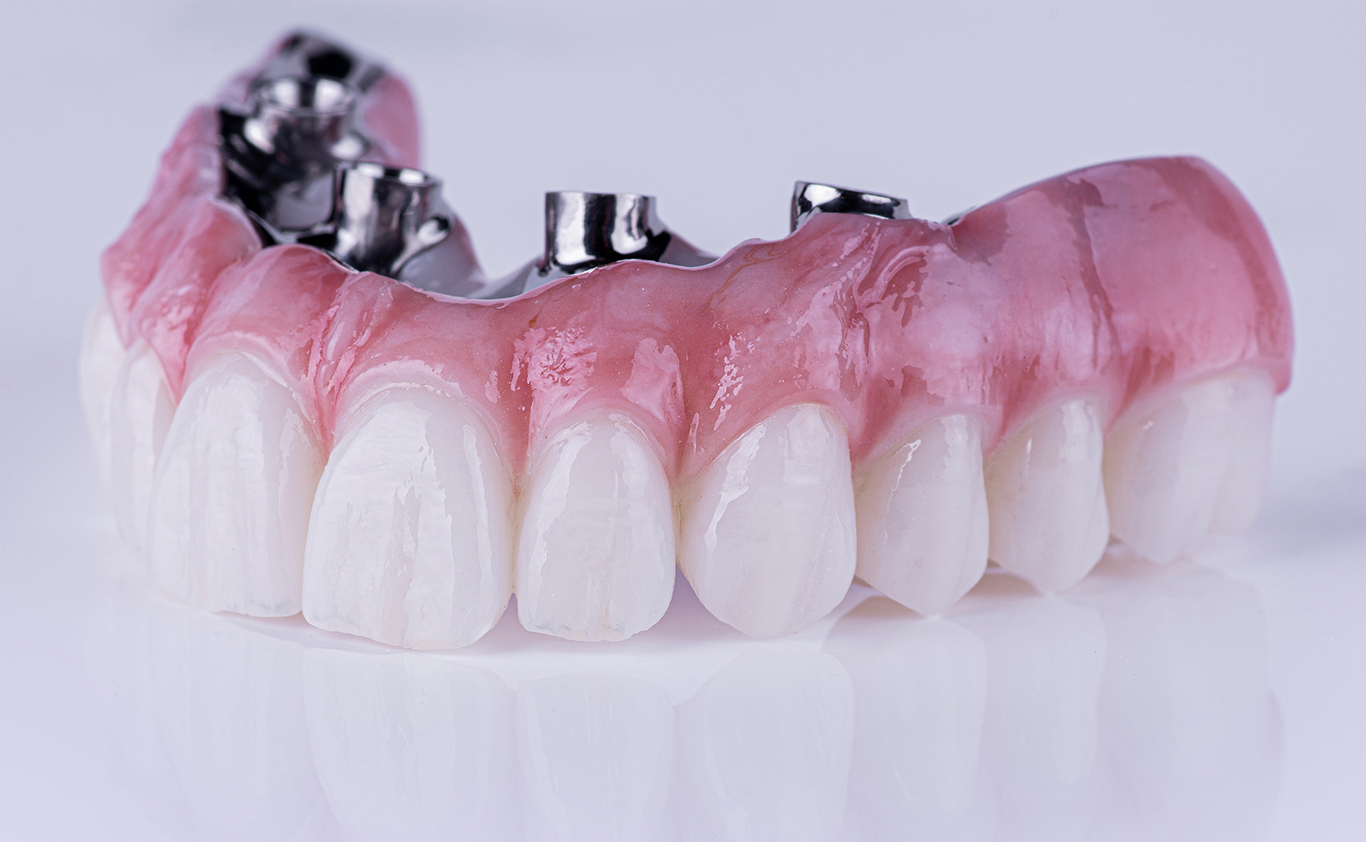
No two smiles should ever be the same. A "Signature Smile" takes into account ethnicity, age, face shape, and personality. This is where the partnership with a high-quality lab like Denbright Dental Labs becomes the pivot point of success.
Masculine vs. Feminine Aesthetics
We aren't just placing porcelain; we are designing character.
- Masculine Designs: Often feature squarer silhouettes and bolder line angles to project strength and stability.
- Feminine Designs: Utilize rounded incisal edges and softer embrasures to create a delicate, natural, and youthful appearance.
"Every cosmetic dentist should market themselves as an artist... we truly customize each smile to each person because that is what gives the perceived value."
The "Aha!" Moment: The Flowable Test
Dr. Ganjoor reports that for VDO cases, nothing is more powerful than a physical demonstration. By placing a temporary flowable composite on the posterior molars to "lift" the bite and recording the change in muscle microvolts, patients can immediately feel their jaw relax. When the composites are removed at the end of the consult, the patient feels the "crash" back into their old, destructive bite. That physical sensation is often the only "sales tool" needed.
Overcoming the Money Barrier
When a patient says, "That’s too expensive," they are usually saying they don't yet see the value. Dr. Ganjoor encourages clinicians to normalize the investment. Whether a case is $20,000 or $60,000, we must remember that people find the money for what they believe in.
"I have no problem talking about how much their smile makeover will cost. Reassure the patient: 'I’m on your team. I’m here for you, and we’re going to do what’s right for you.'"
Anchor the cost to their "ammunition." If the patient is tired of being "humiliated" by a veneer popping off on a cruise (a real-life case study from Dr. Ganjoor), remind them that this investment provides peace of mind and permanence.
Recognizing the Red Flags and Ethics
Part of ethical dentistry is knowing when to pull back. Dr. Ganjoor highlights three specific red flags:
- The Unrealistic Expectation: Patients who demand "perfection" rather than "enhancement." (Dr. Ganjoor avoids the word "perfect" in her office).
- The Emotionally Unready: If a patient is hesitant or being pushed by a third party, they won't be happy with the journey.
- The "Shave Everything" Fear: Educate patients on conservative preps. Show them that "minimal prep" isn't the "shark teeth" they see on TikTok.
Conclusion: Stop Playing Small
The work we do is about more than teeth; it’s about the first time a patient looks in the mirror and truly loves what they see. When we limit our diagnosis to what we think the patient can afford, we do them a disservice.
As Dr. Ganjoor challenges us: "The smile you design may be the first time that your patient has ever loved themselves."
By leading with vision, asking better questions, and partnering with a lab like Denbright that understands the artistry of a custom-crafted smile, we stop being "just dentists" and start becoming life-changers.
Contact Denbright Dental Labs today to discuss your next cosmetic case and become a signature smile.