The transition to a digital implant workflow is more than just a technological upgrade; it’s a commitment to clinical precision and patient comfort. In our recent online seminar, Digital Implant Restorations: Master the Scan, Perfect the Outcome, with Dr. Armen Mirzayan, we explored the constructive interaction between advanced scanning techniques and laboratory expertise.
For the modern clinician, mastering this process is the key to reducing chair time and ensuring a predictable "drop-in" fit. Here are the essential pillars for achieving the perfect implant outcome.
1. The Foundation: Mastering the Physical Prep
Dr. Mirzayan warns, digital implantology isn't as forgiving as traditional crown and bridge: "When something goes wrong with scanning for implants, your lab bills skyrocket. It’s not so forgiving."
The accuracy of your final restoration is directly tethered to the quality of the initial data. A digital impression requires more than just a clear picture; it requires high-fidelity data that the CAD software can mathematically align.
- Surface Preparation: Titanium scan bodies are often highly reflective, which can create "data noise" or "ghosting" in the scan. Dr. Mirzayan suggests a 5-second hydrofluoric acid etch or light sandblasting to create a matte finish that the scanner can capture with much higher precision.
- The Bitewing Protocol: Do not rely on tactile sensation alone. Many systems require 8–10 full rotations to seat; if the screw stops at four, you are likely binding on bone. Always verify the seat with a vertical bitewing before scanning.
- The "Top-Third" Rule: Focus your scanning energy on the top third of the scan body. Dr. Mirzayan refers to this area as the "geometric DNA" that the software uses to calculate the implant's exact 3D position. If this data is missing, the software is essentially guessing.
2. The ID Protocol: Eliminating Library Errors
One of the most common and costly errors in digital dentistry is the "Library Mismatch." If the lab selects the wrong digital catalog (e.g., Narrow Platform vs. Regular Platform), the crown will not seat.
The Photographic Fail-Safe: Before placing the scan body in the mouth, take a high-resolution photo of the product ID/serial number tattooed on the side of the product. Include this photo with your digital lab slip. This ensures your technician selects the exact matching library in Exocad or 3Shape, preventing a remake before the case even begins.
Dr. Mirzayan’s rule for his practice is absolute: "If you don't have the reference number or product ID tattooed on top of the scan body... trash it. Do not use it. It’s not worth the headache.”
3. Biological Design: Sculpting the Emergence Profile
Digital dentistry allows you to influence long-term tissue health through the "virtual model." When the healing abutment is removed, tissue often collapses; if you scan this collapsed state, the lab is forced to design a narrow, "mushroom-shaped" crown that can trap food and bacteria.
Digital Contouring: Use the digital "Form Tool" (or instruct the lab) to broaden the emergence profile. By digitally "pushing back" the gingival margins to a convex shape that mimics a natural tooth, you create a restoration that supports the papilla and ensures easier hygiene for the patient.
4. Collaborative Design: The Substructure Logic
The "Perfect Outcome" is a collaborative effort between clinician and technician. However, Dr. Mirzayan reminds clinicians that they must take the lead: "As the CEO of the case, you must dictate the material logic based on the site’s biomechanics."
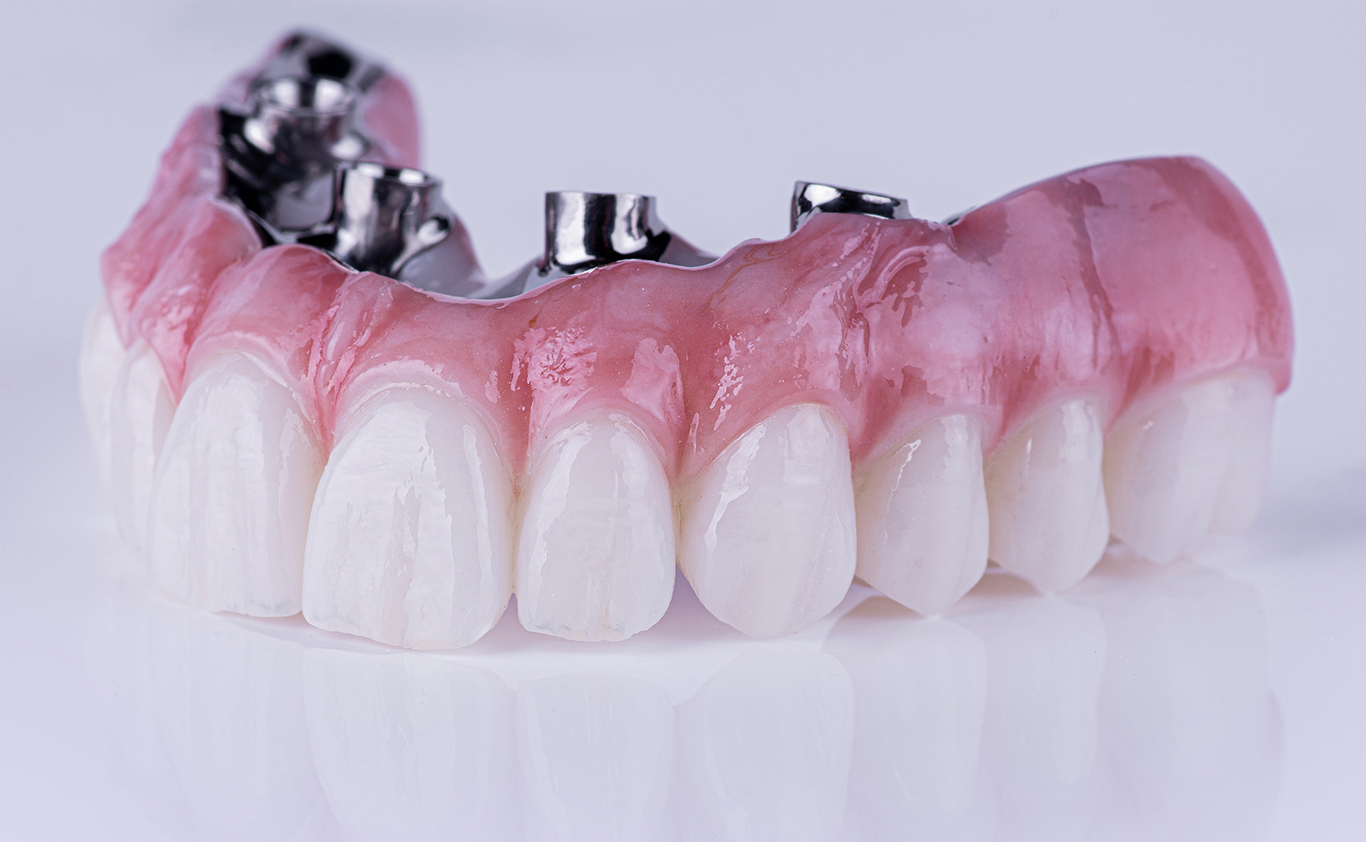
- Custom Abutments vs. Ti-Base: While Ti-Bases are excellent for anterior cases, Titanium Custom Abutments are the gold standard for the molar zone. They provide a larger metal core—much like a traditional PFM—that supports the ceramic (Zirconia or E.max) against heavy occlusal forces.
- The Lab-Clinician Loop: Submit photos of the patient’s existing dentition or provisionals. High-resolution imagery helps the design team match shade and characterization, ensuring the implant restoration is indistinguishable from natural teeth.
5. Precision at Delivery
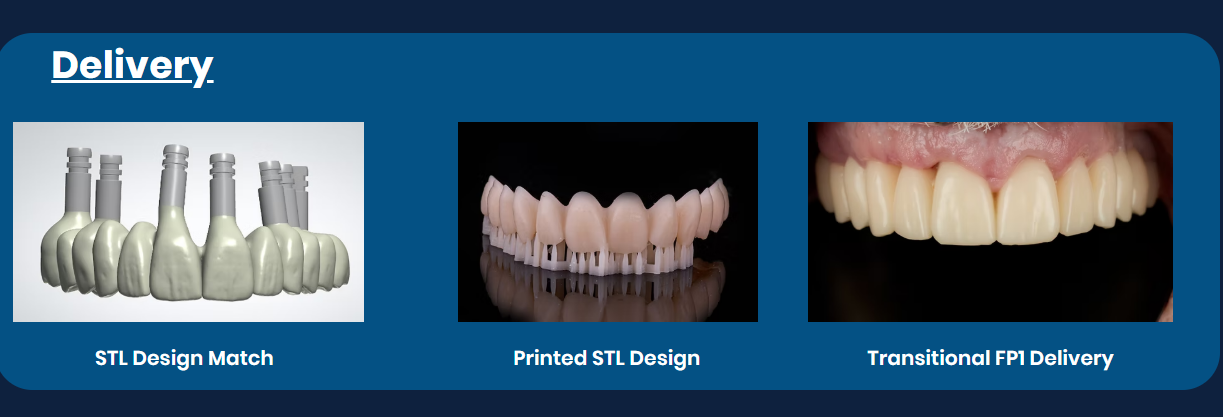
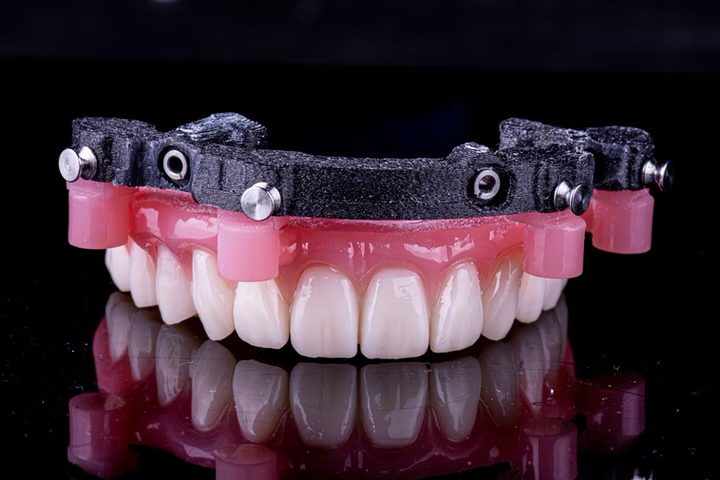
When the scan is mastered and the ID is verified, delivery becomes the easiest part of the procedure. Because the restoration is milled from high-accuracy digital files and anatomically correct abutments, "heavy" contacts and high occlusion become rarities.
This predictability not only enhances the patient experience but also allows you to schedule your day with the confidence of a clinician who has mastered the digital frontier.
Ready to Elevate Your Implant Cases? Digital dentistry is an evolving discipline. By refining your digital implant workflow today, you are setting the stage for more complex, rewarding cases tomorrow. Contact our Denbright implant specialists today to discuss your next case and the precision of a fully digital partnership.