1. Why the Emergence Profile Is the Linchpin of Success
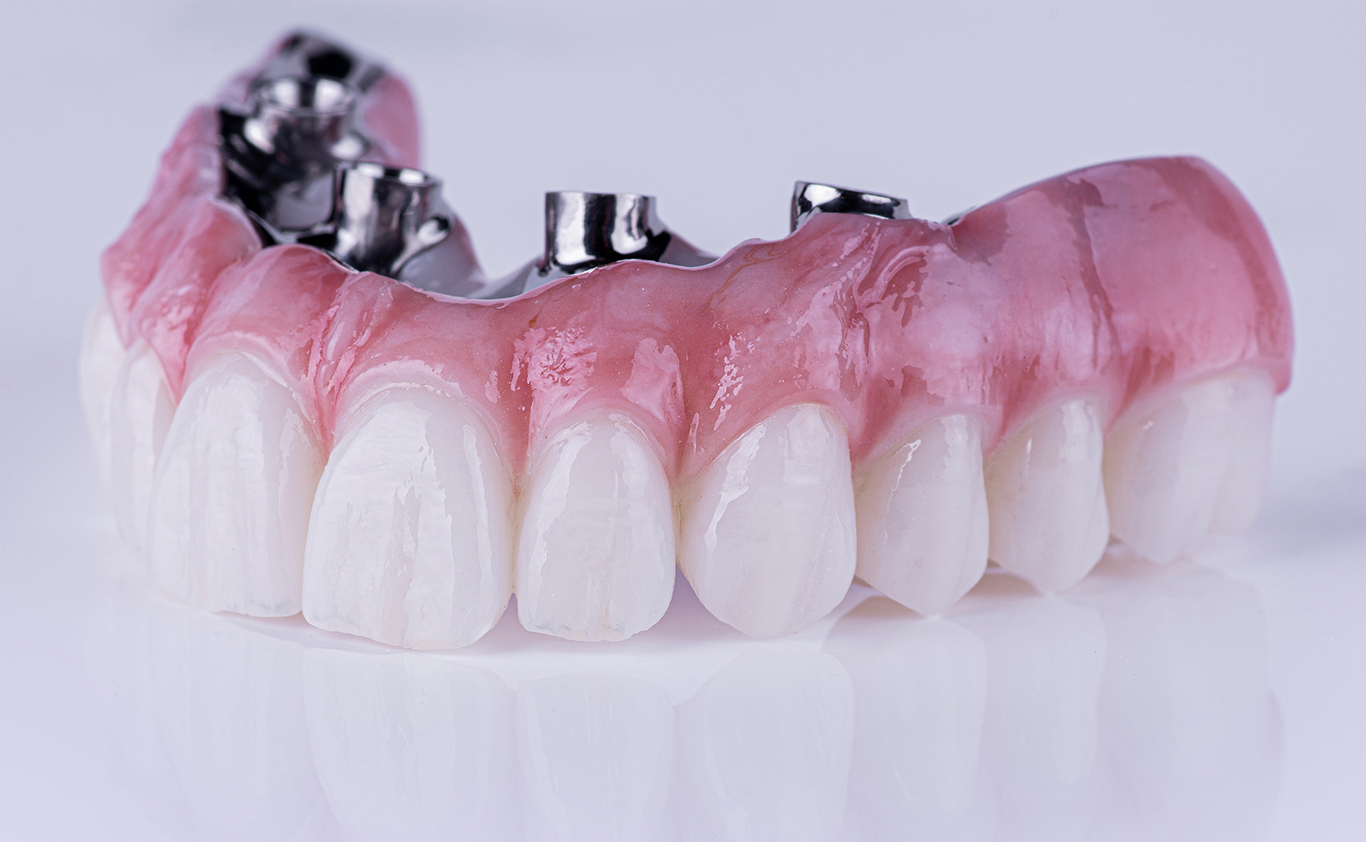
In implant dentistry, the “emergence profile” refers to how a restoration exits the soft tissue. It’s more than a cosmetic detail; it’s foundational to:
- Tissue stability
- Hygiene accessibility
- Long-term esthetics
- Natural-looking restorations
According to Dr. Langstein, “The way a restoration exits the tissue influences everything from bone support to patient satisfaction.” Generic healing caps or stock abutments often fail to shape tissue in a biologically friendly or esthetically pleasing way.
“You can’t expect a perfect crown if you didn’t shape the tissue properly. Customizing that subgingival emergence zone is the secret sauce.”
— Dr. Ira Langstein
2. The Consequences of Neglecting the Soft Tissue Zone
Restoring an implant without planning the soft tissue profile is like building a house without measuring the foundation. Dr. Langstein highlights the common pitfalls of ignoring tissue shaping:
- Flattened or collapsed papillae
- Black triangles and poor esthetics
- Compromised hygiene access
- Unstable or inflamed soft tissue
“If the papilla isn't shaped properly during temporization, there’s no magic crown that will make it look right later. You’ve missed your window.”
Especially in the anterior zone, papilla preservation and interdental architecture are mission-critical. That level of finesse is only possible when the restorative dentist takes an active role in guiding tissue healing from the start.
3. Step-by-Step: Shaping the Ideal Emergence Profile
Phase 1: Custom Healing Abutments or Immediate Provisionals
- Chairside or lab-made custom healing abutments are placed at the time of implant surgery (or within a few days).
- They replicate the desired contours of the final crown and start shaping the soft tissue accordingly.
- Even 2 weeks with proper contouring can transform soft-tissue response. Don’t leave it to chance.
Phase 2: Provisionalization & Adjustments
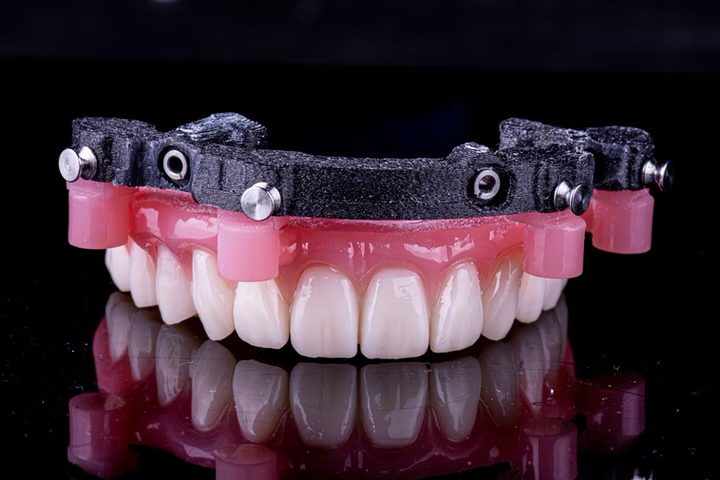
- A customized temporary crown is delivered.
- The subgingival contour is monitored and adjusted as needed to guide papilla fill, cervical contour, and midline symmetry.
Phase 3: Final Impression & Restoration
- Once the soft tissue is mature and shaped, a final impression is taken.
- The lab digitally replicates the exact contours or uses analog scanning for the final restoration.
4. Collaborating with the Lab: What to Send and When
One of the most significant communication breakdowns in restorative dentistry is failing to provide the laboratory with the information needed to replicate the clinician's clinical vision. Dr. Langstein advises:
What to Send Your Lab:
- A clear intraoral scan of the shaped tissue and adjacent teeth
- High-resolution photos of the provisional in place
- Notes on shade, contour, and any changes made during provisionalization
- Details on materials and abutment type (custom zirconia, titanium base, etc.)
“Your lab can only recreate what they see. If the emergence profile isn’t captured in the scan or communicated visually, the final won’t match the temporary.”
Denbright labs across the country are equipped with digital workflows that sync precisely with intraoral scan data, ensuring that once the ideal emergence profile is sculpted, it’s preserved in the final crown.
5. Aesthetic Zone Considerations: More Than Meets the Eye
Anterior implants carry greater risks and greater expectations. According to Dr. Langstein:
- The buccal plate is thinner and more prone to resorption.
- Even a 1mm loss of bone can significantly affect soft-tissue levels.
- Smile line analysis, tooth contour, and symmetry are crucial.
This is where temporary customization plays a leading role, not just in esthetics but also in biological adaptation.
“Tissue is dynamic. If we don’t teach it where to go with the provisional, it will settle in ways that compromise the case.”
6. Guided vs Freehand: Why Restorative Intent Must Come First
Too often, clinicians view the restorative phase as something that happens after implant placement. But as Dr. Langstein puts it:
“The surgical guide should be based on the final tooth position, not the other way around.”
Whether using stackable guided surgery or analog workflows, he emphasizes that the emergence profile should be a goal from the beginning, not an afterthought. Key planning tips include:
- Always use a wax-up or digital design to reverse-engineer the implant position.
- Communicate your final vision clearly to the surgeon.
- Collaborate with laboratories (e.g., Denbright) that support both surgical and restorative planning.
7. Implant Restorations Without Compromise
With Denbright’s multi-lab platform and national education focus, more clinicians are moving toward:
- Customized temporization for all anterior and premolar implants
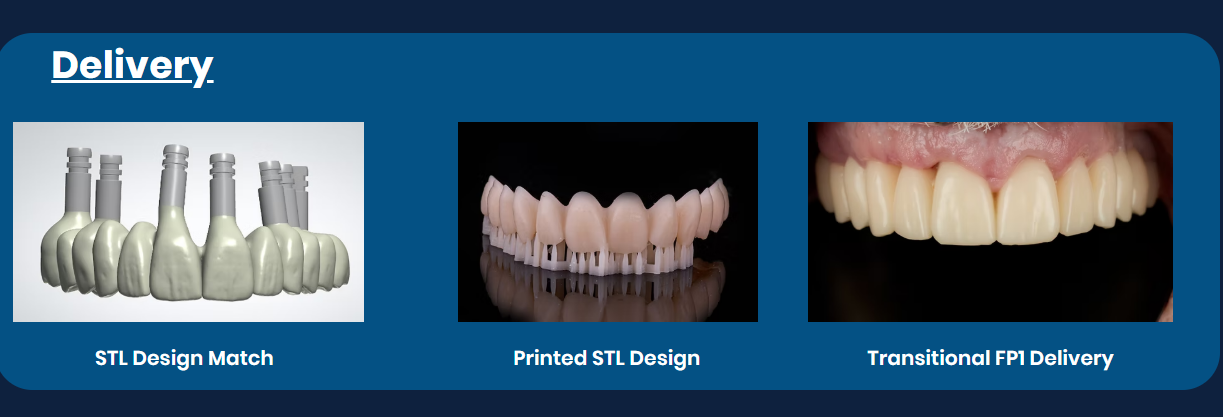
- Digital design files that preserve ideal emergence contours
- Predictable, reproducible results for multi-location DSOs and private practices alike
“Restoring implants is about more than fitting a crown; it’s about building a biology-friendly architecture that lasts.”
— Dr. Ira Langstein
Clinical Tools That Support Custom Emergence Profiles
Whether you’re using analog impressions or scanning digitally, several Denbright lab tools can help:
- Digital Diagnostic Wax-Ups
Guide implant planning and provisional contour design. - Custom Printed Healing Abutments
Chairside or lab-fabricated to sculpt soft tissue from day one. - Provisional Restorations
Milled or printed based on your approved design, delivered quickly for optimal timing. - Final Restorations with Matched Emergence
Preserving the exact contours captured in your provisional through scan and design precision.
Key Takeaways
- Soft tissue shaping begins at implant placement. Don’t wait until the final restoration to think about contours.
- Custom temporaries are essential. They train tissue and establish the emergence profile that will define the final result.
- Collaboration is critical. Share visuals, scans, and design goals with your lab partner early and often.
- Digital tools have improved predictability. With intraoral scanning and guided workflows, you can design the outcome from the start.